


Views: 187 Author: Site Editor Publish Time: 2026-01-26 Origin: Site


When people think about factories or industrial facilities, they usually picture machines, workers in hard hats, conveyor belts, and maybe a lot of noise. What most people don’t think about is air. But air quality is actually one of the most important factors in how well an industrial space functions. That’s where the industrial exhaust fan comes in.
Exhaust fans might not be flashy, but they play a massive role behind the scenes. Understanding the importance of exhaust fans in industry helps explain why nearly every industrial facility, no matter the size, relies on them. From worker safety to equipment protection, exhaust fans for industrial facilities are doing way more than just moving air around.
In this article, I’ll break down why industrial exhaust fans matter, how they work in real-world settings, and what benefits they bring to different types of industrial environments—all in clear, human language.
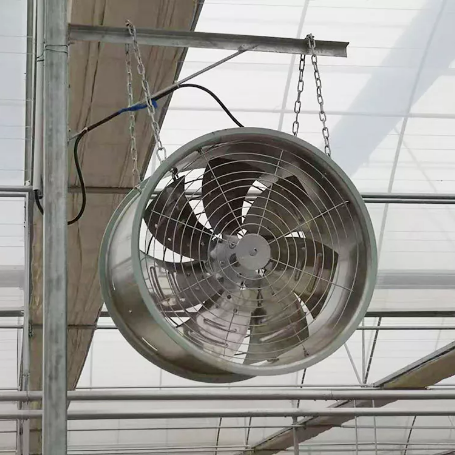 An industrial exhaust fan is a mechanical device designed to remove unwanted air from large or demanding environments. That air might be hot, humid, dusty, smoky, or filled with chemical vapors. Once the fan pushes that air outside, fresh air enters to replace it, either naturally or through a controlled intake system.
Unlike residential exhaust fans, industrial ones are built for:
Continuous operation
Large air volumes
Tough environmental conditions
High safety standards
They are essential components in factories, warehouses, processing plants, power stations, and many other facilities where air quality directly affects performance and safety.
The importance of exhaust fans in industry can’t really be overstated. They affect almost every part of an operation, from people to machines.
Safety regulations in many industries require proper ventilation. Exhaust fans help facilities meet these standards by:
Removing hazardous air
Preventing the buildup of flammable gases
Supporting emergency ventilation systems
An industrial exhaust fan is often a key part of a facility’s overall safety strategy.
Many industrial facilities operate around the clock. Without effective ventilation, air quality would degrade quickly. Exhaust fans allow operations to continue without frequent shutdowns caused by overheating or unsafe conditions.
Industrial equipment is expensive, and air quality plays a role in how long machines last.
Dust doesn’t just affect lungs—it affects machines. Dust buildup can:
Clog cooling systems
Increase friction
Damage sensitive components
Exhaust fans remove airborne particles before they settle, extending equipment life.
In humid environments, moisture in the air can cause corrosion. By removing moist air, exhaust fans for industrial facilities help protect metal surfaces, wiring, and electronics.
Not all industrial facilities are the same. The role of an industrial exhaust fan changes depending on the environment.
Manufacturing often involves heat, fumes, and dust. Exhaust fans help:
Capture contaminants at the source
Prevent spread across the facility
Maintain consistent airflow
Warehouses may not produce fumes, but they still need ventilation to:
Control heat
Remove vehicle exhaust
Improve air circulation
Clean air is critical in food production. Exhaust fans help remove:
Steam
Odors
Airborne particles
This protects both product quality and worker health.
In these environments, the importance of exhaust fans in industry is especially clear. Removing hazardous vapors is essential for preventing accidents and long-term exposure risks.
Running industrial fans takes energy, so efficiency matters.
Modern industrial exhaust fan systems use improved motor technology to move more air with less power. Over time, this reduces energy costs significantly.
By removing hot air, exhaust fans reduce the workload on cooling systems. That leads to lower overall energy consumption and fewer maintenance issues.
Ventilation isn’t optional in many industries—it’s required.
Industrial facilities must comply with safety and health regulations related to air quality. Exhaust fans help meet these standards consistently.
In emergencies like fires or chemical leaks, exhaust systems play a role in controlling smoke and fumes.
An industrial exhaust fan rarely works alone. It’s usually part of a larger system that includes:
Air intakes
Filters
Sensors
Control systems
Together, these systems manage airflow efficiently across an entire facility.
Even traditional equipment like exhaust fans keeps evolving.
Modern systems adjust fan speed based on temperature or air quality, improving efficiency.
Sensors can detect airflow issues early, preventing breakdowns.
These innovations increase the long-term value of exhaust fans for industrial facilities.
While exhaust fans require upfront investment, the long-term benefits are clear:
Healthier workers
Longer equipment lifespan
Lower energy costs
Regulatory compliance
This is why the importance of exhaust fans in industry continues to grow as facilities modernize.
Exhaust fans tend to fade into the background because they’re always working quietly. But when they fail, the impact is immediate. Poor air quality, rising temperatures, and safety concerns appear quickly, reminding everyone how essential they are.
It’s easy to focus on big machines and production output, but none of that works without breathable air. The industrial exhaust fan is one of those systems that supports everything else without asking for attention.
They remove heat, fumes, and airborne contaminants, creating safer and more efficient working conditions.
Improved air quality, worker safety, equipment protection, energy efficiency, and regulatory compliance.
Most industrial environments require some form of mechanical ventilation to meet safety and health standards.
By removing dust and moisture from the air, they reduce corrosion and mechanical wear.
Yes. Efficient ventilation lowers cooling demands, reduces downtime, and extends equipment lifespan.
The importance of exhaust fans in industry goes far beyond simple ventilation. They protect people, preserve equipment, support productivity, and keep facilities running smoothly day after day. Whether you’re managing a massive plant or studying how industrial systems work, understanding the role of the industrial exhaust fan gives you a deeper appreciation for how essential clean air really is.


