


Views: 259 Author: Site Editor Publish Time: 2026-04-21 Origin: Site


As temperatures keep rising, more people are asking the same question: do portable air coolers actually work? The honest answer is yes, but only if you understand what they are designed to do. A lot of people expect them to behave like traditional air conditioners, and that is usually where the confusion starts.
Portable air coolers, especially industrial evaporative models, do not rely on refrigerants or compressors. Instead, they use water and airflow to cool the air in a more natural way. In the right setting, they can be a smart and energy-efficient solution. In the wrong setting, they can feel underwhelming.
So the real question is not whether they work. It is whether they work for your space.
The cooling process is based on evaporation. It is the same reason your skin feels cooler when water dries off after you get out of a pool. As the water evaporates, it absorbs heat.
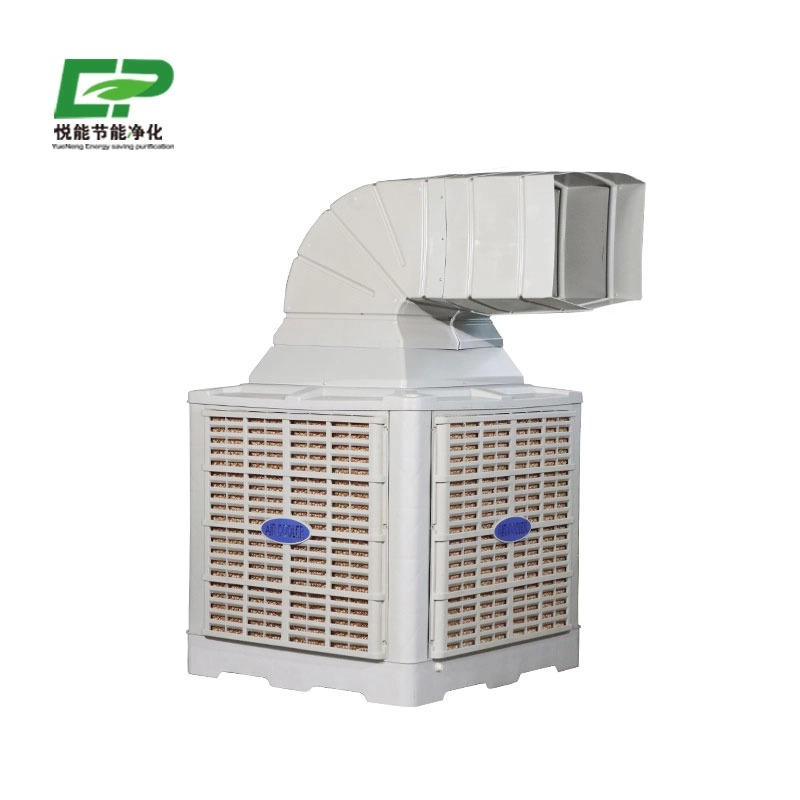
An industrial portable air cooler uses that same idea on a much larger scale. Inside the unit, water is pumped onto cooling pads. Then a fan pulls hot air through those wet pads. As the air passes through, the water evaporates and removes heat from the air. What comes out is cooler, fresher air.
Depending on the temperature and humidity, the drop can be pretty noticeable. In dry conditions, the air can feel significantly cooler, not just breezier.
This is where portable air coolers really stand out.
Traditional air conditioners are built for enclosed spaces. They work by cooling and recirculating indoor air, which means they need a sealed environment to be effective. That is why AC works well in homes, offices, and other closed rooms.
Portable evaporative coolers are different. They do better in open or semi-open areas like warehouses, garages, workshops, loading docks, and outdoor event spaces. Instead of recycling the same indoor air, they keep pulling in fresh air and pushing it through the space.
That constant airflow is a big part of why they can feel so effective in places where standard AC either struggles or becomes way too expensive.
If you want the short version, here it is: portable air coolers work best in dry climates.
Because the system depends on evaporation, it needs air that still has room to absorb moisture. In dry areas, that works really well. The water evaporates easily, and the cooling effect is strong.
In very humid places, the air is already holding a lot of moisture, so evaporation slows down. That means the cooler cannot lower the temperature as effectively. In those conditions, the unit may still provide airflow and some comfort, but it will not perform the same way it would in a dry climate.
That is why some people swear by them while others think they do nothing. A lot of that difference comes down to weather, not the machine itself.
Another reason people assume portable air coolers do not work is poor setup.
These units need airflow through the space. If you put one in a sealed room and close every door and window, humidity builds up. Once the air gets too damp, the evaporation process slows down, and cooling drops with it.
For best results, the space needs some kind of exhaust path. That could be an open door, an open window, or a ventilation system that allows warm, humid air to leave while fresh air keeps moving in.
In other words, air coolers are not plug-it-in-and-forget-it machines. They work best when the environment supports the way they are built to cool.
This part is important because a lot of people judge all portable coolers based on tiny home units they tried once and forgot about.
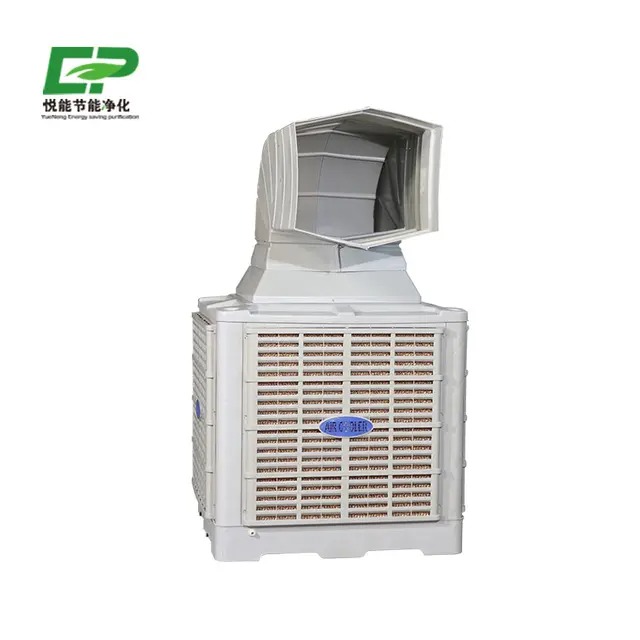
A small plastic room cooler from a discount store is not in the same category as an industrial portable air cooler. Industrial models are built for much tougher conditions and much larger spaces. They have stronger motors, better cooling pads, bigger water tanks, and much higher airflow.
A residential unit might move a few hundred CFM. An industrial unit can move thousands, sometimes much more. That difference changes everything. In a factory or warehouse, strong airflow creates a real cooling zone around workers and equipment instead of just pushing warm air around.
So yes, build quality matters. A lot.
One of the biggest reasons industrial buyers look at portable air coolers is cost.
Traditional HVAC systems are expensive to install, expensive to run, and expensive to maintain. They also make less sense in open facilities where cool air escapes constantly.
Portable evaporative coolers are usually much cheaper upfront, and they use far less electricity. Since they do not rely on compressors, their main power draw comes from the fan and water pump. That is a huge difference when energy bills are already high.
For large spaces, that lower operating cost can make them a pretty practical choice. They may not replace every AC system, but in the right environment, they can save a lot of money while still improving comfort in a meaningful way.
Not all portable air coolers are worth buying. If performance matters, there are a few features that make a real difference.
CFM, or cubic feet per minute, tells you how much air the unit can move. For bigger spaces, this number matters a lot. A cooler with weak airflow is not going to do much in a warehouse or workshop.
If you are trying to cool a large area, you need a unit with enough airflow to keep air moving constantly instead of letting heat collect in one place.
No water means no evaporative cooling. At that point, the unit is basically just a fan.
A larger tank allows the cooler to run longer without refilling, which is especially useful in industrial spaces or long work shifts. Some models can also connect to a continuous water source, which makes operation even easier.
In work environments, noise matters more than people usually expect. Workers need to hear instructions, equipment, alarms, and each other. A cooler that is too loud can become a problem fast.
Modern industrial units are getting better at balancing strong airflow with lower noise output, which makes them easier to use in active workplaces.
Even a good unit will lose performance if it is not maintained.
Because these coolers use water and pull in outdoor air, the pads and tank need occasional cleaning. Mineral buildup from hard water can block the pads and reduce cooling efficiency. If the tank is ignored for too long, algae or other buildup can also become an issue.
The good news is that maintenance is usually pretty simple. Cleaning the tank, rinsing the pads, and checking the water system regularly can keep the cooler running well for a long time.
Compared with servicing a traditional HVAC system, it is a much easier routine.
Portable evaporative coolers are usually the most useful in places where standard AC is either unrealistic or too expensive.
They work well in:
warehouses
workshops
garages
loading docks
outdoor events
barns and agricultural spaces
factories with open ventilation
In these settings, the goal is often not to make the whole building feel like a sealed office. It is to make the environment more comfortable, reduce heat stress, and improve airflow where people are actually working.
That is exactly where these coolers make sense.
A lot of disappointment around portable air coolers comes from unrealistic expectations.
One common mistake is expecting AC-level performance in a humid space. That is not what evaporative coolers are built for.
Another mistake is placing the unit in a closed corner with no airflow. That setup limits performance almost immediately.
And of course, some people simply forget that water is part of the system. If the tank is empty, the cooling effect is gone.
Most of the time, when someone says a portable air cooler does not work, the issue is not that the technology failed. It is that the cooler was used in the wrong environment or set up the wrong way.
Yes, they do. But they work best when the climate is dry, the space has good ventilation, and the unit is sized correctly for the area.
They are not a magic replacement for every air conditioning system, and they are not supposed to be. What they offer is a different kind of cooling: lower energy use, fresh airflow, easier mobility, and strong performance in large open spaces.
For warehouses, garages, factories, and outdoor work areas, that can make them a very smart option.
Q1: Can I use a portable air cooler indoors?
Yes, but only if the room has good ventilation. You need some way for humid air to escape, or the cooling effect will fade.
Q2: Do portable air coolers use a lot of water?
That depends on the size of the unit, the heat, and the humidity. In hot, dry conditions, larger industrial models can use a noticeable amount of water, especially during long shifts.
Q3: Is the air cleaner or dirtier?
In many cases, it can actually feel cleaner. The cooling pads can help trap dust and particles as air moves through the system.
We know industrial cooling is not just about selling equipment. It is about building systems that can actually hold up in real working environments.
Our factory focuses on high-performance industrial portable air coolers designed for durability, strong airflow, and consistent cooling. We use advanced production equipment, strict quality control, and detailed testing procedures to make sure each unit performs the way it should.
From housing strength to fan balance to cooling efficiency, every part of the system is developed with long-term use in mind. Whether the application is a warehouse, workshop, event space, or large commercial site, we aim to provide cooling solutions that are practical, energy-efficient, and built for real demand.


