


Views: 146 Author: Site Editor Publish Time: 2026-02-06 Origin: Site


If you’ve ever walked into a room that felt stuffy, humid, or just smelled off, chances are an exhaust fan could have fixed that. Honestly, exhaust fans are one of those things people don’t think about until something goes wrong.
This article is a deep, practical guide on how to properly use an exhaust fan, whether it’s in a home, school facility, or an industrial setting. We’ll talk about everyday usage, safety tips, maintenance, common mistakes, and even industrial exhaust fan best practices. I’ll keep it clear, realistic, and human—no robotic explanations, just real understanding.
At its core, an exhaust fan removes unwanted air from an enclosed space and pushes it outside. That unwanted air might be hot, humid, polluted, dusty, or full of odors. Once the air is pushed out, fresh air flows back in naturally or through ventilation systems.
This simple process helps:
Improve indoor air quality
Control temperature and humidity
Prevent mold and bacteria
Remove fumes, smoke, and airborne particles
The proper use of exhaust fan systems ensures that these benefits actually happen. If used incorrectly, even the best exhaust fan won’t perform well.
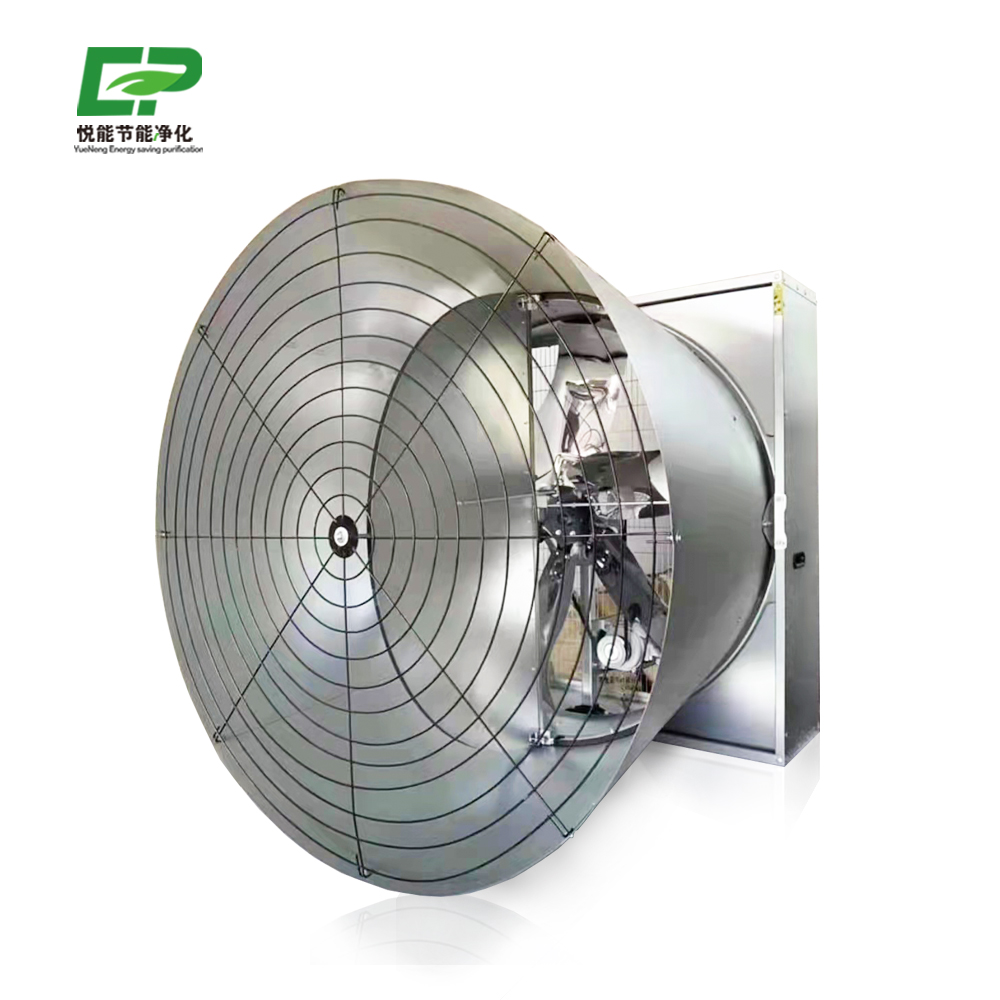
Industrial environments demand a much higher level of planning and discipline. This is where industrial exhaust fan best practices really come into play.
An exhaust fan must be matched to room size, heat output, and pollution level. Oversized fans waste energy, while undersized fans fail to ventilate properly.
Some industrial exhaust fan systems are designed for 24/7 operation, especially in animal housing or factory workshops. Others should be cycled based on temperature or air quality sensors.
The proper use of exhaust fan systems requires clear airflow paths. Fresh air inlets must not be blocked, or the fan will struggle.
Manufacturers with long-term experience in ventilation and cooling equipment, such as Nantong Yueneng Energy Saving Purification Equipment Co., Ltd., design industrial exhaust fan solutions that align well with these real-world usage demands, especially in greenhouses and livestock facilities.
Here are some widely accepted industrial exhaust fan best practices used across industries.
Match fan capacity to building volume
Install fans at heat or pollution sources
Ensure stable mounting to reduce vibration
Use corrosion-resistant materials
Schedule regular inspections
Following industrial exhaust fan best practices not only improves performance but also extends equipment lifespan.
A lot of exhaust fan problems come from simple mistakes.
Turning off an exhaust fan too early traps moisture and pollutants.
Installing an exhaust fan far from pollution sources reduces effectiveness.
Dust buildup on blades reduces airflow and increases power consumption.
The proper use of exhaust fan requires airflow balance. Blocking inlets makes the fan inefficient.
Maintenance is a huge part of proper usage.
Clean fan blades every few months
Check shutters and louvers
Inspect wiring and motor noise
Tighten loose mounting parts
In industrial systems, maintenance schedules are part of industrial exhaust fan best practices, often logged and reviewed regularly.
Using an exhaust fan properly can actually save energy.
Use timers or sensors
Avoid unnecessary operation
Combine exhaust fans with natural ventilation
Use variable-speed motors when possible
Modern exhaust fan systems are designed to move more air using less power, especially in large facilities.
The proper use of exhaust fan involves running it during and after activities that produce heat, moisture, or odors, such as cooking or showering.
Typically, an exhaust fan should run 15–30 minutes after the activity that caused air pollution or humidity.
Yes. Industrial systems are larger, more durable, and follow strict industrial exhaust fan best practices for safety and efficiency.
Yes. Poor maintenance, blocked airflow, or incorrect installation can shorten the lifespan of an exhaust fan.
Signs of proper function include stable airflow, low noise, reduced humidity, and improved air quality.
Learning the proper use of exhaust fan systems isn’t complicated, but it does require awareness. From small residential spaces to massive industrial facilities, correct usage improves air quality, saves energy, and protects health. By following proven habits and industrial exhaust fan best practices, an exhaust fan becomes more than just a machine—it becomes a reliable support system for everyday life and work.


