


Views: 0 Author: Site Editor Publish Time: 2026-09-30 Origin: Site


In commercial greenhouse construction or retrofitting, procurement delays directly translate to lost growing cycles and revenue. Every idle day pushes back planting dates. This impacts your seasonal yield and bottom line. Purchasing commercial-grade equipment requires balancing the manufacturer's Minimum Order Quantity (MOQ) against your strict project timelines. Lead time variations can severely derail a construction schedule. You cannot afford to miscalculate delivery dates when coordinating multiple contractors.
This guide breaks down how to align your project schedule with manufacturing realities. We will explore how to calculate optimal order sizes effectively. You will also learn to vet your supplier’s fulfillment capabilities to ensure on-time installation. By following these steps, you protect your crop calendar. Proper planning keeps your entire build on track from start to finish. We will show you exactly how to avoid costly logistical bottlenecks.
MOQ varies by customization: Standard models have lower MOQs; custom motor or voltage configurations require higher volume commitments.
Specs dictate speed: Ordering standard items like a 50inch high air flow greenhouse butterfly fan will typically feature a faster lead time than fully bespoke systems.
Buffer is mandatory: Always plan a 15–20% time buffer for global freight, customs clearance, and local transit.
Supplier vetting mitigates risk: A reliable greenhouse ventilation fan supplier will provide transparent production schedules rather than unrealistic delivery promises.
Equipment arriving early creates significant logistical headaches. You must find secure commercial storage immediately. Warehousing large equipment drains capital. The warranty clock often starts ticking upon delivery. Dust, moisture, and pests might damage sensitive motors before installation begins. Your investment sits vulnerable on the ground.
Late arrivals ruin construction schedules completely. Framing crews sit idle awaiting equipment drops. Electricians cannot finish their wiring runs. Delayed planting dates disrupt your entire crop calendar. Labor costs skyrocket when contractors charge hourly rates for downtime. Misaligned deliveries destroy project profitability fast.
Industrial manufacturing faces constant shifts globally. Specialized components experience sudden delays. Global supply chains fluctuate wildly every season. Procuring a reliable exhaust fan requires foresight. Motor production depends on raw copper and steel availability. You must acknowledge these realities when drafting timelines.
Success requires tight synchronization across all phases. Fan delivery must align precisely. They should arrive during the electrical and structural framing stages. This allows seamless field installation. A successful procurement plan treats logistics as a core engineering function.
Common Mistake: Project managers often assume domestic distributors hold massive inventory. In reality, large commercial orders almost always trigger new factory production runs.
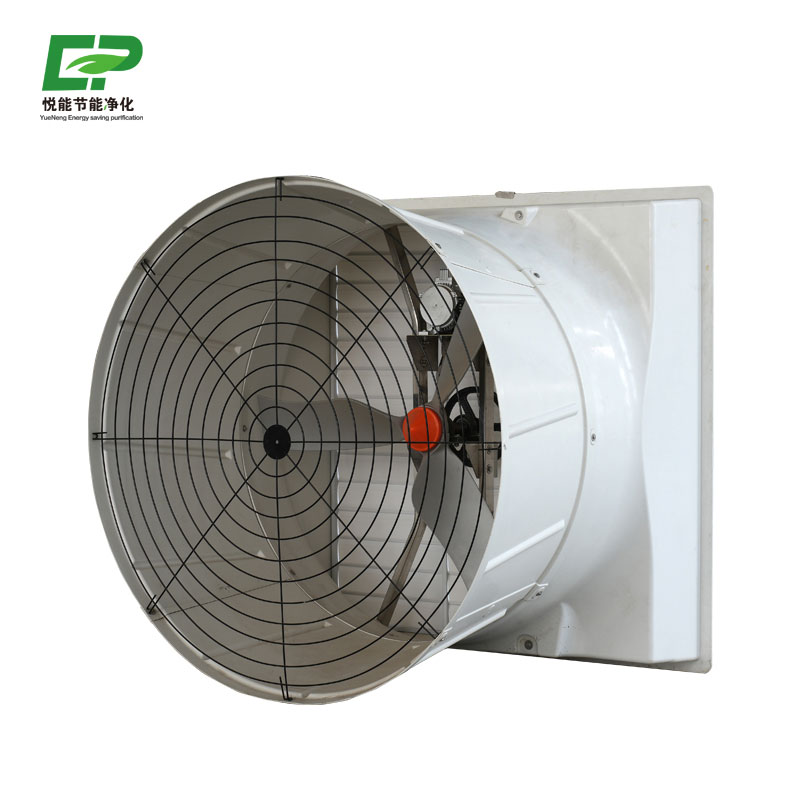
Standard off-the-shelf units differ significantly from custom builds. Common sizes offer immense flexibility. Manufacturers produce standard 36-inch or 50-inch box fans continuously. This continuous production guarantees low MOQs. You can often order exactly what your blueprint dictates. Factories keep standard components stocked year-round.
Custom requirements change this dynamic completely. Specific greenhouse ventilation fan specifications trigger high MOQs instantly. Special voltages demand new assembly runs. Harsh environments require specialized anti-corrosion coatings. Custom blade pitches alter aerodynamic testing protocols. Suppliers need higher volumes to justify these production shifts. Reconfiguring an entire assembly line costs money.
Consider the role of the 50inch high air flow greenhouse butterfly fan. This model acts as a reliable B2B benchmark globally. It represents a highly requested commercial standard. Buyers easily negotiate better MOQs for this unit. You can frequently join mixed-container shipments. Niche sizes lack this logistical advantage. Standardizing your blueprints around benchmark models saves both time and capital.
Smart buyers always buffer their equipment inventory. You should factor an extra 2 to 5 percent into the total unit count. Spare parts prevent future agricultural crises. Single unit replacements carry massive shipping premiums later. Ordering extras upfront ensures immediate swap-outs during peak summer heat. It secures your facility against unexpected mechanical failures.
Procurement spans several distinct phases. You must track progress accurately from purchase order to site delivery. Missing one phase throws off the entire schedule.
Phase 1 covers order processing and material procurement. This usually takes 1 to 3 weeks. The supplier locks in necessary raw materials first. They secure heavy galvanized steel. They order the necessary motors. Production only begins after confirming these core components.
Phase 2 involves manufacturing and strict quality control. Expect this stage to take 2 to 4 weeks. Assembly teams build the units systematically. Quality control remains critical here. Do not rush the dynamic balancing and testing phase. Proper QC prevents dangerous vibrations and field failures later.
Phase 3 focuses strictly on freight and logistics. Transit times range from 4 to 8 weeks globally. Origin points dictate the exact shipping duration. Less than Container Load (LCL) shipments move slower. Port workers must consolidate and de-consolidate mixed cargo. Full Container Load (FCL) offers much faster transit. Bottlenecks often appear unexpectedly. Port congestion delays arriving vessels. Customs clearance requires meticulous paperwork. Inland trucking adds final-mile hurdles.
Trustworthy partners practice highly transparent forecasting. They break down these phases clearly in their proposals. Quotes should reflect realistic, multi-step timelines. Avoid suppliers offering flat, overly optimistic delivery dates. Accurate forecasting protects your installation schedule.
Estimated Global Logistics and Production Timeline
Procurement Phase | Estimated Duration | Key Milestones |
|---|---|---|
Phase 1: Material Procurement | 1 - 3 Weeks | PO signed, steel and motors secured. |
Phase 2: Manufacturing & QC | 2 - 4 Weeks | Assembly completed, dynamic balancing tested. |
Phase 3: Ocean Freight | 4 - 8 Weeks | Vessel departure, LCL/FCL transit, port arrival. |
Phase 4: Customs & Inland | 1 - 2 Weeks | Clearance granted, final truck delivery to site. |
Choosing a reliable greenhouse ventilation fan supplier demands rigorous evaluation. Their actual fulfillment capacity dictates your project success. A great price means nothing if boxes never arrive.
Evaluate production scalability first. Commercial projects often expand mid-build. You might grow from 2 acres to 10 acres rapidly. Can the manufacturing facility handle this sudden scale-up? Ask about their maximum monthly output limits. Scalable partners absorb order increases seamlessly.
Compliance documentation prevents costly border delays. Verify necessary paperwork very early. Request all CE, UL, or ISO certifications before shipping begins. Missing documents cause severe customs hold-ups. Border agents will impound non-compliant shipments indefinitely. You must ensure regulatory alignment for your specific region.
Evaluate their communication protocols carefully. Transparency builds B2B trust.
Do they provide regular milestone updates?
Will you receive alerts when production officially starts?
Do they send photographic evidence when containers load?
Can they provide real-time vessel tracking details?
Silence breeds uncertainty. Proactive communication reduces project management stress.
Conduct thorough reference checks always. Ask for concrete past performance data. Request on-time delivery rates. Speak directly to managers of similarly sized agricultural projects. Real-world track records reveal true logistical capabilities. A proven supplier gladly shares past success stories.
Follow a structured procurement timeline closely. This action plan ensures smooth global logistics. It aligns financial planning directly to field execution.
Step 1: Finalize Engineering Specs. Lock in precise requirements early. Consult your agronomist or climate engineer first. Confirm your exact greenhouse ventilation fan dimensions before contacting any factories. Changing specs mid-quote resets the entire timeline.
Step 2: Request Variable Quotes. Ask suppliers for multiple MOQ tiers. Compare pricing for 50 units versus 100 units. Find the most cost-effective shipping ratio. Higher volumes often lower unit freight costs significantly. Maximize your container space.
Step 3: Build the Reverse Schedule. Start from your required installation date. Work backward using maximum estimated lead times. Add a mandatory 3-week safety buffer. This buffer absorbs unexpected ocean freight delays perfectly.
Step 4: Formalize Penalty Clauses. Integrate late-delivery penalties into your commercial contract where applicable. Align supplier incentives directly to your timeline. Reasonable financial clauses keep manufacturers accountable. They prioritize orders attached to strict delivery deadlines.
Best Practice: Always assign one dedicated project manager to monitor the reverse schedule. They must track weekly milestones against the original factory quote.
Proper planning of MOQ and lead times remains crucial. It goes far beyond simple purchasing tasks. It functions as a critical project management pillar. Careful coordination prevents idle labor and protects seasonal yields.
By understanding how specifications impact production, you protect construction schedules. Mapping logistics realistically secures your overall project budgets. Anticipating delays ensures contractors work efficiently upon arrival.
Take decisive action today. Submit your project dimensions and required specifications to your supplier. Ask for a transparent, data-backed timeline and MOQ estimate. Secure your equipment delivery window now.
A: Yes. Most reputable B2B suppliers allow you to purchase 1-2 sample units (often at a slight premium) to test build quality, motor efficiency, and integration before signing a high-volume PO.
A: LCL shipments often add 1 to 2 weeks to the lead time due to the consolidation process at the origin port and de-consolidation at the destination port. FCL (Full Container Load) is generally faster and safer for large equipment.
A: Rarely without compromising quality. While you can pay premiums for expedited air freight (which is usually cost-prohibitive for heavy exhaust fans), manufacturing times are typically fixed due to motor procurement and necessary QC balancing processes.
A: It depends on the supplier. Some offer short-term warehousing for finished goods, but long-term storage will usually incur holding fees. It is crucial to negotiate a delivery window rather than a strict drop date.


